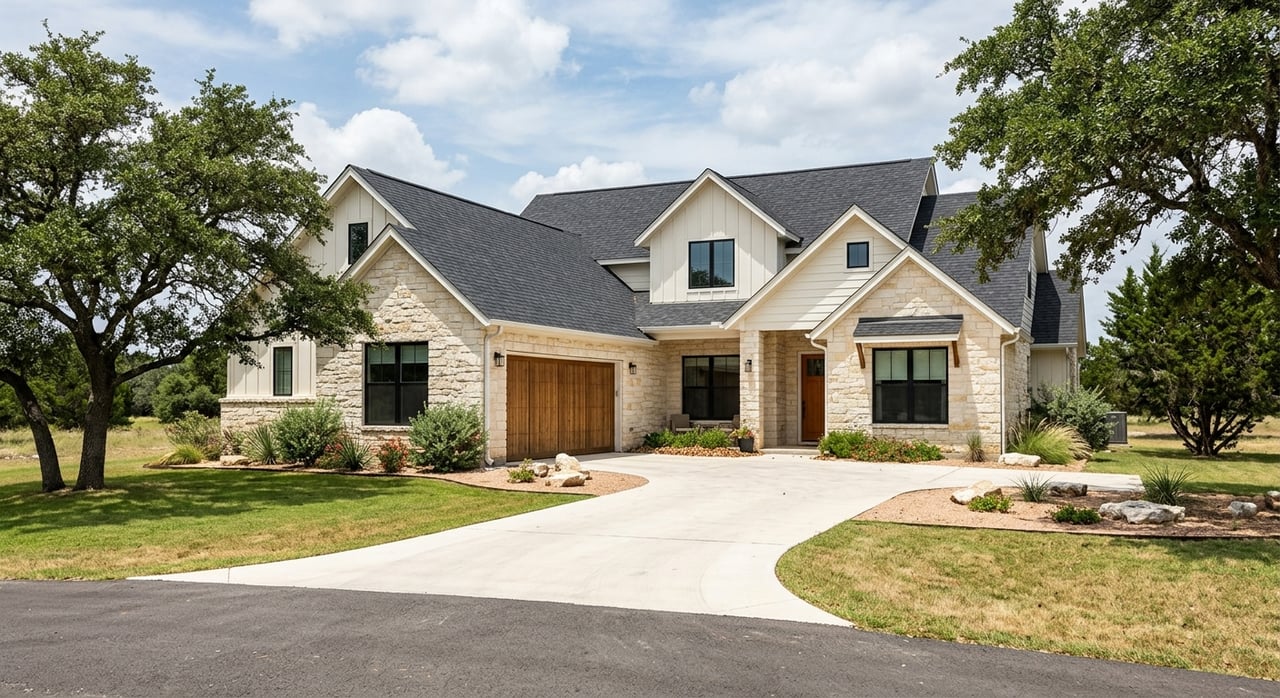
If you want more room to spread out without feeling completely disconnected from Austin, Dripping Springs probably keeps showing up on your list. That makes sense. Buyers are often drawn here for the mix of Hill Country scenery, growing neighborhoods, outdoor access, and the strong reputation of local schools. In this guide, you’ll get a practical look at what it’s really like to move to Dripping Springs, including housing options, school growth, commute tradeoffs, and lifestyle perks. Let’s dive in.
Why buyers choose Dripping Springs
Dripping Springs is a fast-growing city in northern Hays County that describes itself as the Gateway to the Hill Country. According to the City of Dripping Springs, it is about 25 minutes west of Austin and offers a lifestyle built around open space, live music, craft breweries, wineries, and dark-sky viewing.
Growth has been significant. Census QuickFacts referenced by the city show an estimated population of 10,165 in July 2024, up from 4,650 in the 2020 census, with a median household income of $109,364 for 2020-2024. If you are looking for an area with momentum, Dripping Springs clearly fits that description.
Space looks different here
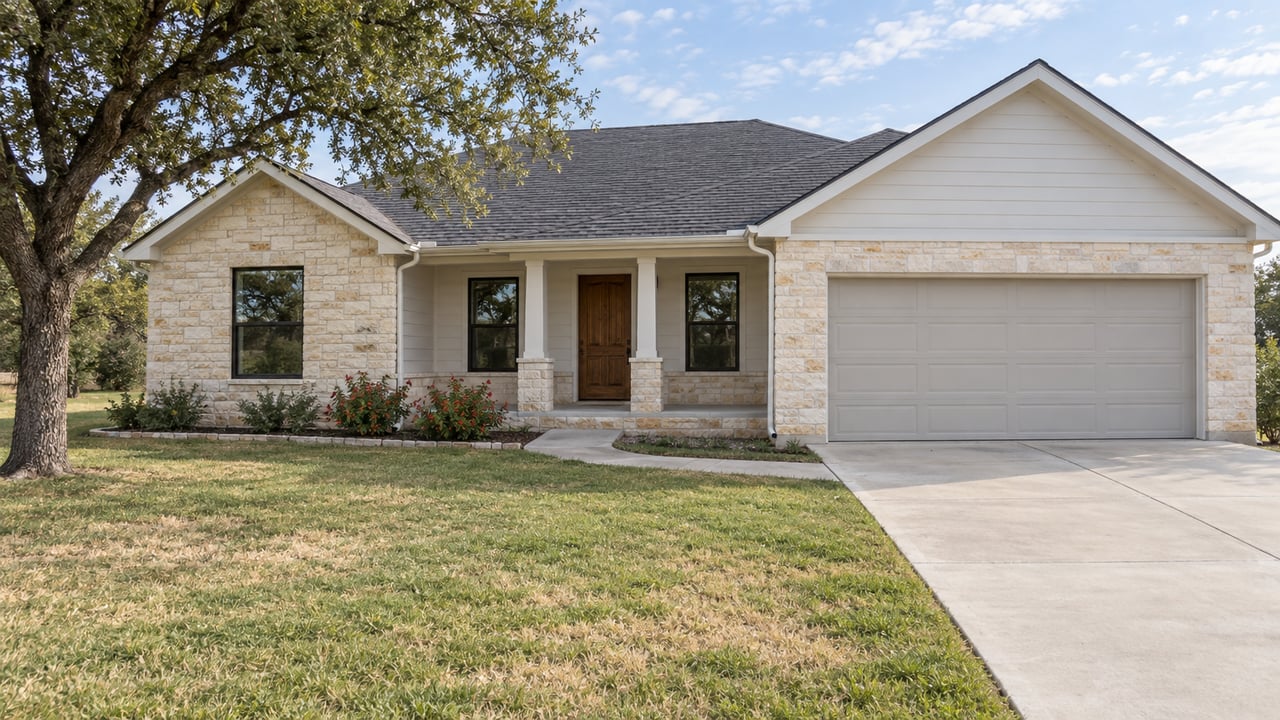
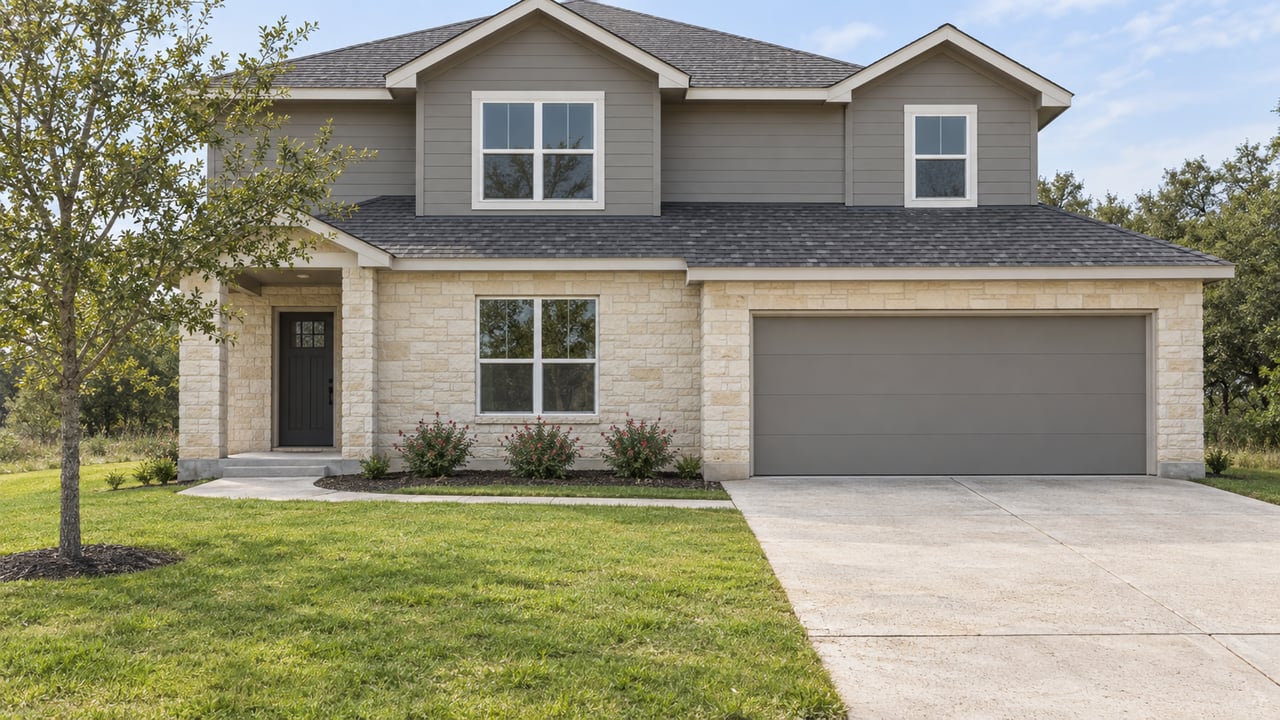
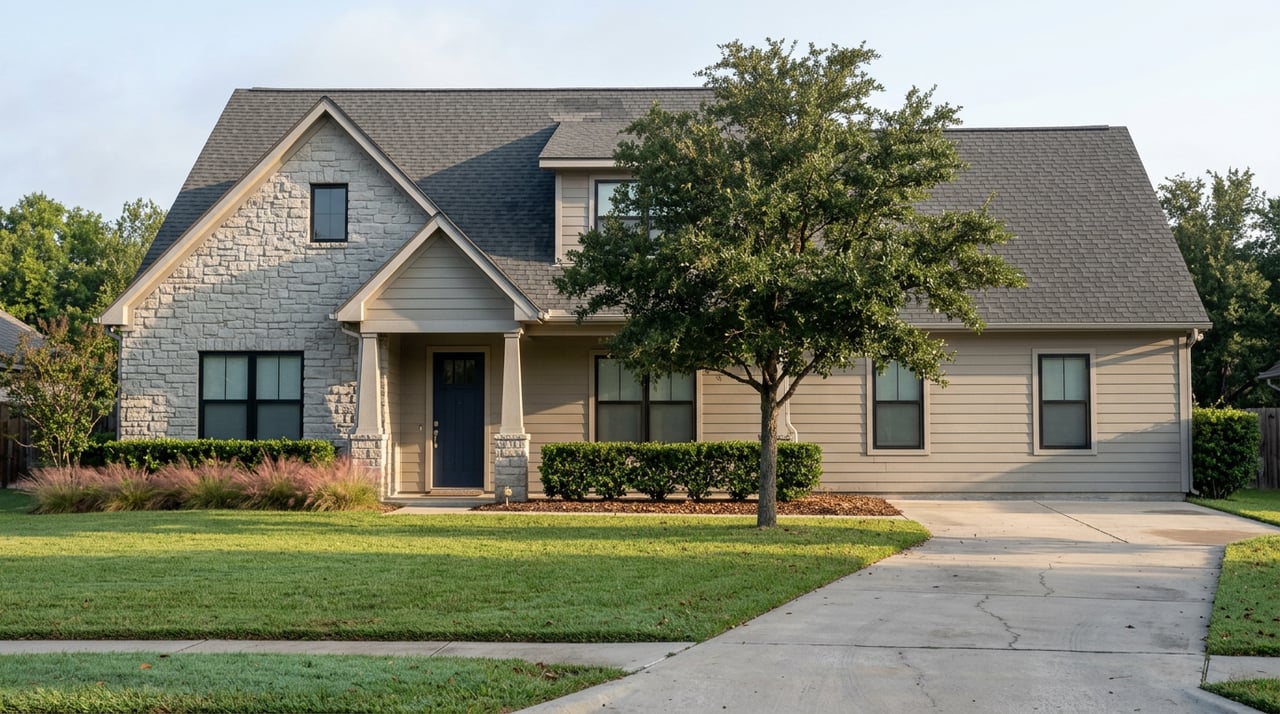
One of the biggest reasons people move to Dripping Springs is simple: you usually have more options when it comes to land and layout. This is not a one-size-fits-all market. Instead, you will find everything from traditional master-planned neighborhoods to larger custom homesites and true acreage properties.
That range matters because buyers often come here with different goals. Some want neighborhood amenities and newer homes. Others want privacy, wider views, and enough land for a workshop, pool, or extra elbow room.
Master-planned communities
If you want a neighborhood feel with shared amenities, communities like Headwaters and Caliterra help show the local range.
Headwaters is a 1,000-acre master-planned community with homesites from 50' to 80', more than 8 miles of trails, about 1,000 acres of preserved natural habitat, and amenities like a fitness center, event pavilion, WiFi café, split-level pool, and water playscape. The community also says a new school will be built within Headwaters.
Caliterra offers larger homesite options, including 60' x 130', 70' x 130', 80' x 150', 100' x 150', and 125' x 200' lots. Its inventory also includes custom lots of up to 1 acre, while the master plan highlights hundreds of acres of preserved undeveloped land.
Acreage options
If your idea of Hill Country living means real separation from neighbors, RanchesAt Dripping Springs shows another side of the market. The development includes 26 ranchettes with 12- to 18-acre homesites and is positioned close to downtown Dripping Springs and about 45 minutes from Austin.
That gives you an important takeaway. In Dripping Springs, “more space” can mean a larger suburban homesite, a custom lot, or true acreage. Your best fit depends on how you balance privacy, maintenance, budget, and commute time.
Schools are a major part of the conversation
For many buyers, Dripping Springs ISD is one of the biggest reasons to consider the area. According to Dripping Springs ISD, the district covers 198 square miles, serves about 8,800 students, and operates nine schools: six elementary schools, two middle schools, and one high school.
The district has also grown by more than 3,000 students over the last decade. That helps explain why schools are such a central topic when people relocate here. Even if schools are not the only factor in your move, district growth affects planning, development, and how the area evolves.
What district growth means
The district’s growth information says enrollment reached 8,714 and is projected to surpass 10,000 students in the 2026-27 school year. Dripping Springs High School is already at 103% of its 2,500-student capacity.
That does not mean you should panic. It does mean you should go into your search with realistic expectations and verify attendance boundaries, future capacity planning, and development patterns as part of your decision-making.
Current school data to know
DSISD also states that in 2025, three campuses earned A ratings in Texas Education Agency accountability results, and all eight rated campuses scored at least 87. For buyers who want to understand why the district gets so much attention, this is a big part of the answer.
When you are comparing homes, it helps to think beyond the house itself. In Dripping Springs, schools, enrollment trends, and new development are closely tied together.
New growth is shaping the market
Dripping Springs is not standing still. The district’s growth page lists active and upcoming developments that are shaping local housing supply, including Double L Ranch (2,408 lots), Wild Ridge (960), Heritage (586), Village Grove (511 units), Cannon Ranch (375 lots), Ariza Springs (293 units), New Growth (245 lots), and Ranch at Caliterra (234 lots).
For you as a buyer, this has two practical implications. First, inventory may include both resale and new-construction opportunities. Second, growth can bring more housing choices while also putting pressure on roads, schools, and infrastructure.
This is where local guidance matters. If you are comparing a resale home, a builder neighborhood, and an acreage property, you want to understand not just what exists today, but what is planned nearby.
The Austin commute is doable, but real
One of the most common questions is how close Dripping Springs really is to Austin. The city says it is about 25 minutes west of Austin, and DSISD says the district is less than 25 miles from Austin. On paper, that sounds very manageable.
In real life, commute conditions deserve a closer look. TxDOT’s US 290 Oak Hill to Dripping Springs corridor study says the corridor is being studied to improve mobility, safety, and emergency response. TxDOT also reports that the crash rate is more than 86% above the statewide average for rural corridors, and traffic volumes could increase 3 to 5 times over the next 30 years.
The main tradeoff
This is probably the clearest tradeoff in Dripping Springs living. You can get more space, scenic surroundings, and a different pace than you might find closer to central Austin, but your commute is still highway-dependent and growth is putting pressure on major routes.
That does not make the move a bad idea. It just means the right home for you may depend on how often you need to drive into Austin, what time of day you travel, and how much value you place on land and lifestyle.
Daily life has a strong outdoor focus
If you are moving here for a Hill Country lifestyle, Dripping Springs gives you a lot to work with. The city says it has 571.29 acres of parkland serving about 25,000 residents in the city and ETJ through its parks and community services system.
That system includes Dripping Springs Ranch Park, a 110-acre venue and event center with a 6.2-mile multi-use trail system for equestrian, biking, and hiking use. It also includes Charro Ranch Park and the future Rathgeber Natural Resource Park, which will add 300 acres of protected Hill Country land when complete.
Weekend recreation nearby
For buyers who want easy access to outdoor recreation, Pedernales Falls State Park is another major plus. Texas Parks and Wildlife says visitors can camp, hike, mountain bike, picnic, bird watch, ride horses, swim, wade, tube, and fish there. The park is also noted as being 13 miles southeast of Dripping Springs.
That kind of access can shape your day-to-day lifestyle in a meaningful way. If you want your weekends to include trails, river views, and time outdoors, Dripping Springs makes that easier.
Downtown still matters here
Dripping Springs is not only about subdivisions and acreage. The city continues to invest in downtown and civic improvements that support daily convenience and community feel.
For example, the city says its downtown restroom project on Mercer Street is a welcome addition to downtown amenities. The city also says the Old Fitzhugh Road project is intended to preserve rural character while improving traffic flow, pedestrian access, connectivity, and safety.
These details may seem small at first, but they help tell the bigger story. Dripping Springs is growing, yet still trying to maintain the character and usability that attract people to the area in the first place.
Is Dripping Springs right for you?
Dripping Springs tends to make the most sense if you want a blend of space, scenery, and access to Austin, and you are comfortable with the realities of a growing corridor. It can be a strong fit if you are looking for newer neighborhoods, larger homesites, or acreage that would be harder to find closer in.
It may also appeal to you if schools are a major part of your move, since Dripping Springs ISD remains one of the biggest factors shaping buyer demand and long-term planning. At the same time, it is smart to weigh commute patterns, development activity, and how much land you truly want to maintain.
If you are considering a move to Dripping Springs, working with a local team can help you compare resale homes, new-construction opportunities, and land-focused options with a clearer view of what fits your goals. If you want practical guidance on neighborhoods, builders, commute tradeoffs, or the next steps for your move, connect with Team West Real Estate.
FAQs
What is Dripping Springs known for?
- Dripping Springs is known for Hill Country scenery, open space, live music, breweries, wineries, parks, and its designation as an International Dark Sky Community, according to the city.
How far is Dripping Springs from Austin?
- The City of Dripping Springs says the city is about 25 minutes west of Austin, and Dripping Springs ISD says the district is less than 25 miles from Austin.
What kinds of homesites are available in Dripping Springs?
- Current community examples range from 50' to 80' homesites in master-planned neighborhoods to custom lots up to 1 acre and acreage homesites from 12 to 18 acres.
Why do buyers look at Dripping Springs ISD?
- DSISD is a major draw because it serves about 8,800 students, has grown by more than 3,000 students over the last decade, and reports strong current campus accountability results.
Is commuting from Dripping Springs to Austin easy?
- The commute can be convenient in terms of distance, but it is highway-dependent, and TxDOT reports that the US 290 corridor faces congestion and safety pressures as growth continues.