Trying to decide between Hyde Park and Tarrytown? You are not alone. Both are established Central Austin neighborhoods with strong identities, but they live very differently day to day. If you want a clearer way to compare walkability, housing style, commute feel, schools, and pricing, this guide will help you sort out which one fits your life best. Let’s dive in.
Start With Daily Lifestyle
When two neighborhoods are both close to the city core, the real difference often comes down to how you want everyday life to feel. Hyde Park and Tarrytown are both central, but they offer different rhythms.
Hyde Park generally feels more walkable and a bit more active. Third-party neighborhood guides place Hyde Park around 70 out of 100 for walkability, with stronger transit access and easier access to nearby shops, restaurants, and errands. If you like the idea of walking to coffee, grabbing groceries nearby, or spending less time in the car, Hyde Park tends to line up well with that goal.
Tarrytown is also central, but it usually feels quieter and more residential. Third-party guides place it closer to 60 out of 100 for walkability, while noting a slightly more car-friendly environment. If you want a neighborhood that feels tucked away while still keeping downtown and UT within reach, Tarrytown may be the better fit.
Compare Housing Character
Hyde Park Homes
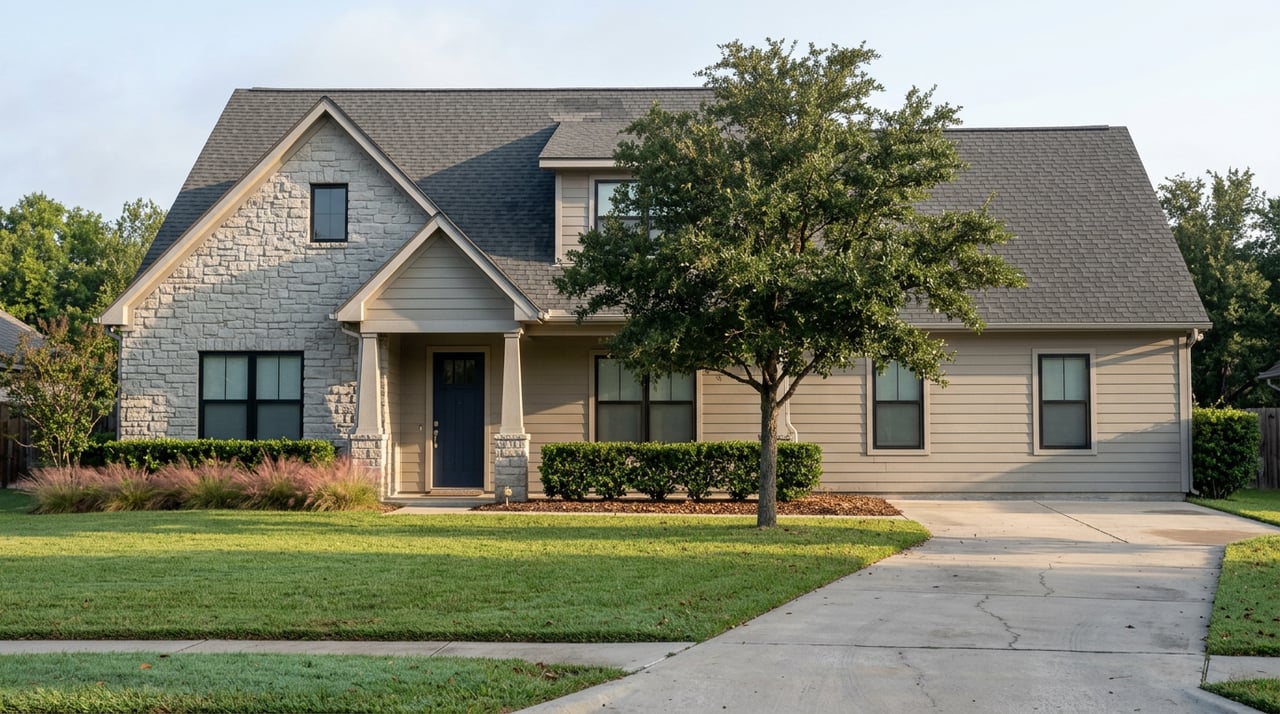
Hyde Park was platted in 1891 as Austin’s first suburb, and that history still shows up in the housing stock. The city’s local historic district describes a mix that includes Queen Anne, Classical Revival, transitional houses, and bungalows.
The district covers about 186 acres and included 640 properties, with 480 contributing at designation. In practical terms, that points to a neighborhood where historic character matters and preservation carries real weight. If you love older homes with architectural detail and a strong sense of place, Hyde Park stands out.
Tarrytown Homes
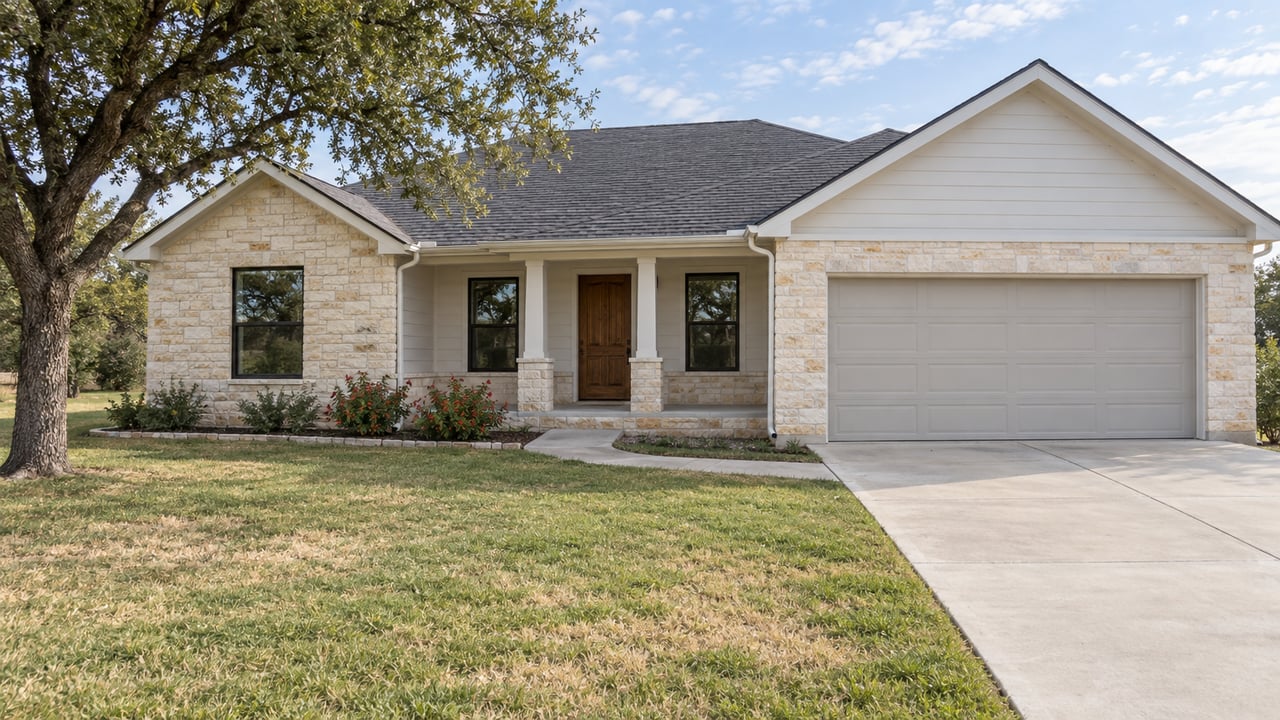
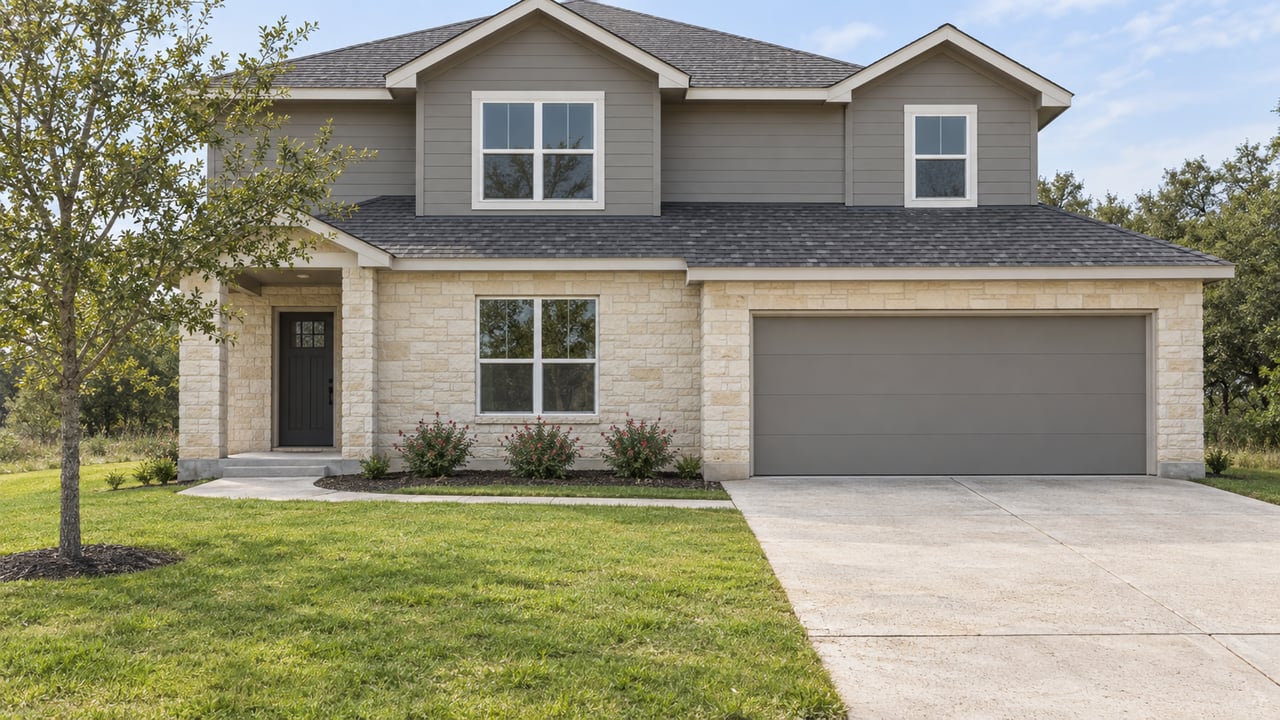
Tarrytown offers historic homes too, but the housing mix usually reads differently. The neighborhood association describes a range of older homes, estates, and bungalows, while the city’s Central West Austin plan notes a mix of grid streets and winding cul-de-sacs shaped by topography.
That combination often means more variety in lot shapes, home sizes, and street patterns. Compared with Hyde Park, Tarrytown can feel less uniform and a bit more spacious in places. If you want a classic Central Austin setting with more varied property types, Tarrytown has a strong appeal.
Think About Commute Patterns
Your best neighborhood fit may depend less on distance and more on direction. Hyde Park and Tarrytown both offer central locations, but they serve different parts of the city more naturally.
Hyde Park sits directly north of the University of Texas and has I-35 along its eastern border. Neighborhood guides highlight access to restaurants and shops around Duval, Guadalupe, Lamar, and Central Market. For many buyers, Hyde Park is the easier choice if you want to stay connected to UT, downtown, and the east side.
Tarrytown sits west of UT and downtown, between Lake Austin and MoPac. Retail and civic activity are more concentrated around nodes like Exposition and Windsor Road and Casis and Westover. If your regular drives lean west, involve MoPac, or include lake-oriented errands, Tarrytown often makes more sense.
Understand Schools By Address
If schools are part of your decision, it is important to compare them carefully and not assume the neighborhood name tells the whole story. Austin ISD assigns schools by residential address, and the district notes that attendance boundaries and feeder patterns can change.
That means you should always verify the exact address in the district school finder before making a move. This step matters in both Hyde Park and Tarrytown.
Hyde Park School Context
The Hyde Park neighborhood association says the area is served by several public schools, including Lee Elementary, Ridgetop Elementary, Kealing Middle, Lamar Middle, and McCallum High. It also notes magnet and choice options such as Ann Richards, Kealing Magnet, Lamar Fine Arts, LASA, and McCallum Fine Arts.
For buyers comparing Central Austin neighborhoods, Hyde Park can offer multiple public and magnet-school pathways. That does not mean every home feeds to every option, but it does make Hyde Park a useful area to explore if you want several central-city possibilities.
Tarrytown School Context
Tarrytown’s neighborhood association says children in the area may attend Casis Elementary, O. Henry Middle, and nearby Austin High, with the Girls School of Austin also mentioned as another option. AISD materials place O. Henry in central west Austin within the Tarrytown context.
For buyers focused on west-central Austin, Tarrytown is often part of the conversation for that reason. As with Hyde Park, the exact home address should always be confirmed before you rely on a specific assignment.
Compare Price Points
Budget can narrow this choice quickly. Recent market pages show Hyde Park at about $825,000 median sale price as of March 2026, while Tarrytown trends higher.
Redfin shows Tarrytown around $1.05 million last month, and Realtor.com places the neighborhood at a $1.944 million median home sale price as of January 2026. The exact figure may vary depending on sample size and timing, but the broad takeaway is consistent: Tarrytown is typically the pricier market.
If you are looking for Central Austin with a lower entry point between these two neighborhoods, Hyde Park usually has the edge. If your budget supports a higher price tier and you want more estate-style potential, Tarrytown may be worth the stretch.
Evaluate Renovation Goals
Hyde Park Renovation Rules
Hyde Park is often a strong match for buyers who appreciate thoughtful restoration and preservation-minded updates. City historic-district materials state that exterior changes to contributing structures require a Certificate of Appropriateness, and design standards are used to review changes to contributing buildings and new construction.
That does not mean updates are off the table. It means the process is more structured. If you want to restore, adapt, or carefully expand an older home within a historic framework, Hyde Park may be a better fit.
Tarrytown Renovation Flexibility
Tarrytown’s renovation story is more property specific. The mix of older homes, estates, bungalows, and varied lots often leads buyers to evaluate whether a home can be modernized, expanded, or replaced based on the individual site.
Compared with Hyde Park, Tarrytown may offer more flexibility in how you think about a remodel or rebuild opportunity. If you are looking for a larger-lot project or a higher-end transformation, Tarrytown can be especially appealing.
Hyde Park Vs Tarrytown At A Glance
| Priority | Hyde Park | Tarrytown |
|---|---|---|
| Walkability | Stronger walk-to-coffee and errands feel | More residential, more car-oriented |
| Commute fit | Great for UT, downtown, east-side access | Great for west-side access, MoPac, lake errands |
| Housing style | Historic homes, bungalows, preservation character | Older homes, estates, bungalows, varied lots |
| Price tier | Generally lower between the two | Generally higher |
| Renovation path | Better for preservation-minded updates | Better for site-specific remodel or rebuild potential |
| Neighborhood feel | Denser, central, active | Quieter, tucked-away, residential |
Which Neighborhood Fits You Best?
Choose Hyde Park if you want a neighborhood with stronger walkability, visible historic character, and a denser Central Austin feel. It is often the better fit if your daily routine revolves around UT, downtown, nearby errands, and a home with architectural personality.
Choose Tarrytown if you want a quieter west-central setting, easier access to MoPac and Lake Austin, and a higher-end market with more estate-style potential. It is often the better fit if you value privacy, varied lot types, and a more residential day-to-day experience.
The right answer depends on how you want to live, not just what looks best on a map. A block-by-block strategy, price-range review, and address-specific school check can usually make the choice much clearer.
If you want help comparing Hyde Park and Tarrytown based on your commute, budget, or renovation plans, Team West Real Estate can help you evaluate the tradeoffs and narrow in on the right Central Austin fit.
FAQs
What is the main lifestyle difference between Hyde Park and Tarrytown in Central Austin?
- Hyde Park generally offers a more walkable, active, central-city feel, while Tarrytown usually feels quieter, more residential, and more car-friendly.
How do Hyde Park and Tarrytown home prices compare in Austin?
- Recent market pages show Hyde Park around $825,000 median sale price, while Tarrytown trends higher at about $1.05 million to $1.944 million depending on source and time period.
Which Central Austin neighborhood is better for historic homes?
- Both neighborhoods have older housing stock, but Hyde Park stands out for its local historic district, preservation culture, and concentration of character-rich historic homes.
How should buyers verify school assignments in Hyde Park or Tarrytown?
- Austin ISD assigns schools by residential address, so you should verify the exact property in the district school finder rather than rely on the neighborhood name alone.
Is Hyde Park or Tarrytown better for a remodel project in Austin?
- Hyde Park is often a better fit for preservation-minded updates within a historic framework, while Tarrytown is often more attractive for property-specific remodel, expansion, or rebuild opportunities.