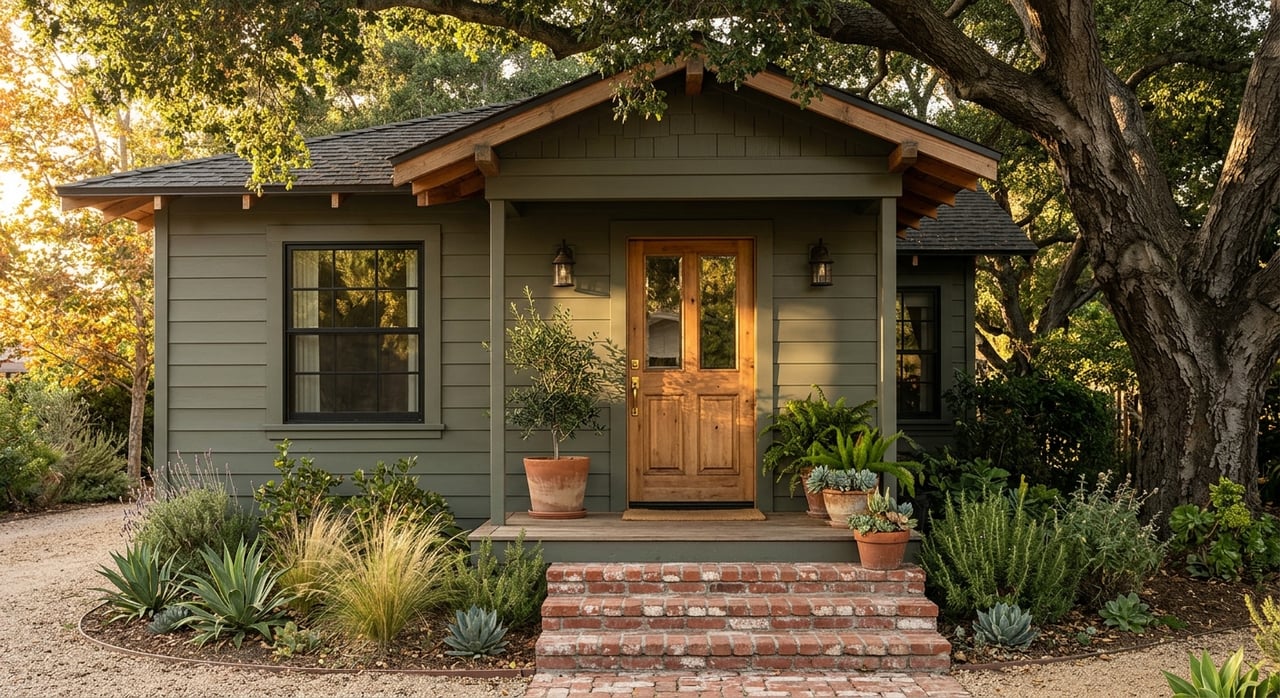
If you love Travis Heights, you probably already know the challenge: the neighborhood has real character, a strong location, and homes that can feel hard to compare. The good news is that buying here does not necessarily mean getting swept into a bidding war or paying whatever it takes. With the right strategy, you can compete confidently, protect your budget, and make smarter decisions on both price and terms. Let’s dive in.
What the Travis Heights market looks like now
If you are shopping in Travis Heights, it helps to start with the actual market data instead of old Austin headlines. Redfin’s Travis Heights market data labels the neighborhood as not very competitive, with homes selling in about 100 days and averaging about 4% below list price.
That softer tone is not limited to one pocket. The same source says 78704 overall is also not very competitive, with homes receiving about one offer on average and selling in around 117 days. In March 2026, the 78704 median sale price was about $797,500, down 6.2% year over year.
Broader Central Texas trends support the same takeaway. According to the March and Q1 2026 Central Texas housing report from Unlock MLS, the Austin-Round Rock-San Marcos MSA ended Q1 2026 with 5.5 months of inventory, while the city of Austin median price in March 2026 was $550,000 and the average close-to-list ratio was 93.8%.
At the county level, Zillow’s Travis County market page cited in the same report showed a median sale price of $508,333, a median sale-to-list ratio of 0.972, and 74.2% of sales below list price as of late March 2026. For you, that means negotiation is often possible, even in a neighborhood with a strong reputation.
Why Travis Heights pricing can feel tricky
Travis Heights is not a cookie-cutter neighborhood, and that matters when you are trying to judge value. The Travis Heights-Fairview Park Historic District was listed on the National Register of Historic Places on July 30, 2021, and the district includes a wide range of housing types across roughly 353 acres.
The neighborhood is known for Victorian, Craftsman, and Period Revival buildings, along with many bungalow-style homes. Historic Travis Heights also describes a mix of curving and grid streets, large lots, wooded trails, creeks, and landscaped hillsides that shape the area’s feel.
That variety is part of the appeal, but it also makes apples-to-apples pricing harder. In Travis Heights, buyers are often paying for location, walkability, historic atmosphere, and lot character, not just square footage or finish level.
The location story matters too. Travis Heights sits within Austin City Council District 9, alongside areas such as Downtown, Rainey Street, Hyde Park, Bouldin Creek, and Mueller, and nearby amenities include Big Stacy Pool, Little Stacy Wading Pool, and the Blunn Creek Greenbelt. That convenience can keep demand steady even when the broader market cools.
How to compete without overpaying
The key in Travis Heights is not being passive. It is being selective, prepared, and disciplined.
Get preapproved before you shop seriously
A strong offer starts before you ever write one. The Consumer Financial Protection Bureau says sellers often require a preapproval letter, and those letters typically expire in 30 to 60 days.
Preapproval does not mean you should raise your budget just because a lender allows it. It simply helps you show that you are ready, qualified, and serious, which can make your offer more competitive without forcing you to overbid.
Keep your ceiling clear
One of the easiest ways to overpay is to decide emotionally instead of financially. Before you start touring, define your maximum monthly payment, your ideal purchase price, and the highest number you would pay for a true top-choice home.
That last number should be hard, not flexible. In a neighborhood with unique homes and strong charm, it is easy to justify one more increase, but your long-term comfort matters more than winning one address.
Use contingencies wisely, not fearfully
You do not need to throw away buyer protections just to be taken seriously. The CFPB recommends making your offer contingent on financing and a satisfactory inspection so you are not locked into a purchase if the loan falls through or major issues surface.
In today’s Travis Heights market, keeping those protections is often reasonable. That said, every property is different, and the cleanest offers still tend to stand out on especially desirable homes.
Move fast only on the right homes
The market data supports a selective strategy. Because Travis Heights is currently not very competitive overall, it usually does not make sense to write every offer as if you are in a frenzy.
Instead, save your most aggressive terms for the few homes that truly fit your goals. If a house checks the boxes on location, layout, condition, and long-term value, that may be the moment to act quickly and cleanly. If not, patience can protect you from overpaying.
Why inspections matter even more here
In a neighborhood with older housing stock, inspections are one of your best tools for avoiding expensive surprises. The CFPB advises that inspections are for buyer protection, should happen as soon as possible, and can support renegotiation or cancellation if serious flaws are found.
That advice is especially important in Travis Heights, where many homes have age, character, and renovation history that need closer review. Even a beautifully presented bungalow can have issues behind the walls or under the house.
Focus on the big-ticket items
When you are reviewing an older home, pay close attention to:
- Roof condition
- Foundation performance
- Electrical systems
- Plumbing lines and fixtures
- Drainage or water-related concerns
- Any flood-related questions tied to the lot or site
Austin’s Residential Plan Review guidance flags floodplain, grading, tree, zoning, and historic considerations as possible review items, and the CFPB also advises buyers to ask about flood and disaster risk before making an offer.
Renovated vs. original bungalows
This is one of the biggest value questions in Travis Heights. Should you pay more for a renovated home, or can an original bungalow offer better long-term value?
When an original home can make sense
An original bungalow may be a strong fit if you value character and are comfortable improving a home over time. Austin’s preservation guidance says older buildings can support sustainability and phased rehabilitation, which can work well for buyers who want to spread updates across their budget and timeline.
That does not mean every original home is a deal. It means you may be buying architecture, location, and future potential rather than someone else’s design choices.
When a renovated home is worth the premium
A renovated home can absolutely justify a higher price, but only if the work was done well. You want to look beyond cosmetics and understand the quality, scope, and documentation behind the renovation.
According to Austin’s Residential Plan Review page, expired permits can be researched publicly, and historic review is required for structures 45 years or older when the exterior is modified, as well as for properties in National Register districts or locally designated historic districts. That means paperwork and process matter, not just finishes.
Watch for future remodel limits
If you plan to expand, rework the exterior, or make major site changes later, do not assume a purchase gives you unlimited flexibility. Austin explains that local historic districts and National Register districts are not the same, but certain exterior changes, additions, site work, and some new construction in National Register districts can still go through historic review.
For you, the practical takeaway is simple: a home that looks move-in ready today may still come with constraints on future additions or exterior changes. If those plans matter to you, verify them before you stretch your budget.
What to do if the appraisal comes in low
A low appraisal is one of the clearest ways buyers accidentally overpay. The CFPB warns that it is very risky to buy a home for more than its appraised value.
If the appraisal comes in below your contract price, the usual paths are straightforward:
- Ask the seller to reduce the price
- Renegotiate the deal structure
- Bring in extra cash if you have already decided on a firm limit
- Cancel the sale if your contract allows it
An appraisal-gap strategy should be used carefully. If you choose one, it should be based on a hard cash ceiling that you are fully comfortable bringing to closing, not on pressure in the moment.
A smart Travis Heights offer strategy
If you want a practical framework, start here:
- Get preapproved and keep the letter current.
- Know your max payment and max purchase price before touring.
- Separate must-haves from charm-based nice-to-haves.
- Keep financing and inspection protections unless you can truly absorb the risk.
- Review renovation quality, permits, and future-review issues on older or updated homes.
- Stay disciplined on appraisal risk.
- Be patient on average listings and decisive on the rare one that truly fits.
That balance is usually how you compete without overpaying. You are not trying to win every house. You are trying to win the right house on terms that still make sense for your life and finances.
If you want help evaluating Travis Heights homes with a clear neighborhood-by-neighborhood strategy, connect with Team West Real Estate. You will get practical guidance on pricing, offer structure, and the tradeoffs that matter before you commit.
FAQs
Is Travis Heights still a multiple-offer market for buyers?
- Not across the board. Redfin’s local data says Travis Heights is not very competitive, with homes selling in about 100 days and averaging about 4% below list price, though standout homes can still attract stronger interest.
Can buyers keep contingencies in Travis Heights offers?
- Often, yes. The CFPB recommends financing and inspection contingencies as normal buyer protections, and the current local market conditions suggest many buyers can keep them while still remaining competitive.
Is a renovated Travis Heights bungalow worth more than an original one?
- Sometimes, but the premium should reflect real quality and documentation, not just style. Austin guidance on preserving older homes supports the idea that original homes can also offer value through character and phased improvements.
What happens if a Travis Heights home appraises below the contract price?
- The CFPB says buyers typically try to renegotiate the price, change the deal terms, bring additional cash, or cancel if the contract allows. Paying above appraised value can be risky.
Do historic rules affect future remodels in Travis Heights?
- They can. Austin explains that National Register districts and local historic districts work differently, but certain exterior changes, additions, and site work may still require historic review, so it is smart to verify your plans before buying.