Thinking about selling your home in Mueller and wondering which energy upgrades actually move the needle? You are not alone. Buyers here look for comfort, lower monthly bills, and modern systems they can trust. In this guide, you will learn which improvements stand out in Mueller, how to document them for buyers, and the best way to time your projects before you list. Let’s dive in.
Why efficiency sells in Mueller
Mueller draws buyers who value walkability, parks, and newer construction. Many shoppers here also care about sustainability and day-to-day costs. That means upgrades that improve comfort and show clear savings tend to shine.
If you can present lower utility bills, updated HVAC with service records, or an owned solar system with production data, you can set your home apart. Focus on measurable outcomes instead of just specs. Buyers respond to receipts, warranties, and audit results they can hold in their hands.
Upgrades that get attention
Insulation and air sealing
Attic insulation and air sealing are often the biggest comfort and cost wins in Central Texas. Sealing duct leaks, weatherstripping doors, and closing gaps at penetrations can reduce hot air infiltration in summer.
Seller tips:
- Get a basic home energy audit or blower door test to show leakage levels or improvements.
- Top up attic insulation and seal the attic hatch. Save before-and-after photos and R-values.
- Seal ducts in any unconditioned spaces.
What to document: audit report, invoices, photos, and any permits. These are typically high-impact at a moderate cost.
HVAC systems and ductwork
Modern, high-efficiency systems matter because they drive monthly electric bills and comfort. Heat pumps and high-SEER AC units with clean ducts and proper insulation are strong selling points.
Seller tips:
- Before you list, schedule a full tune-up, replace filters, and flush condensate lines. Keep receipts.
- For bigger projects, consider a high-efficiency heat pump and document SEER/HSPF ratings and installation certificates.
- Ask for load calculations and address visible duct leaks.
What to document: installation receipts, manuals, maintenance records, and a simple utility-use comparison if you have one.
Windows and exterior doors
High-performance, low-E windows and well-sealed doors boost comfort, cut heat gain, and reduce noise. They also signal quality.
Seller tips:
- If full replacement is not in budget, replace only damaged or failing units and add solar-control film or shades.
- Highlight existing window specs with labels, performance ratings, and warranties.
What to document: window performance labels, warranty details, and receipts. ROI varies, so target the worst offenders first.
Solar PV and solar-ready features
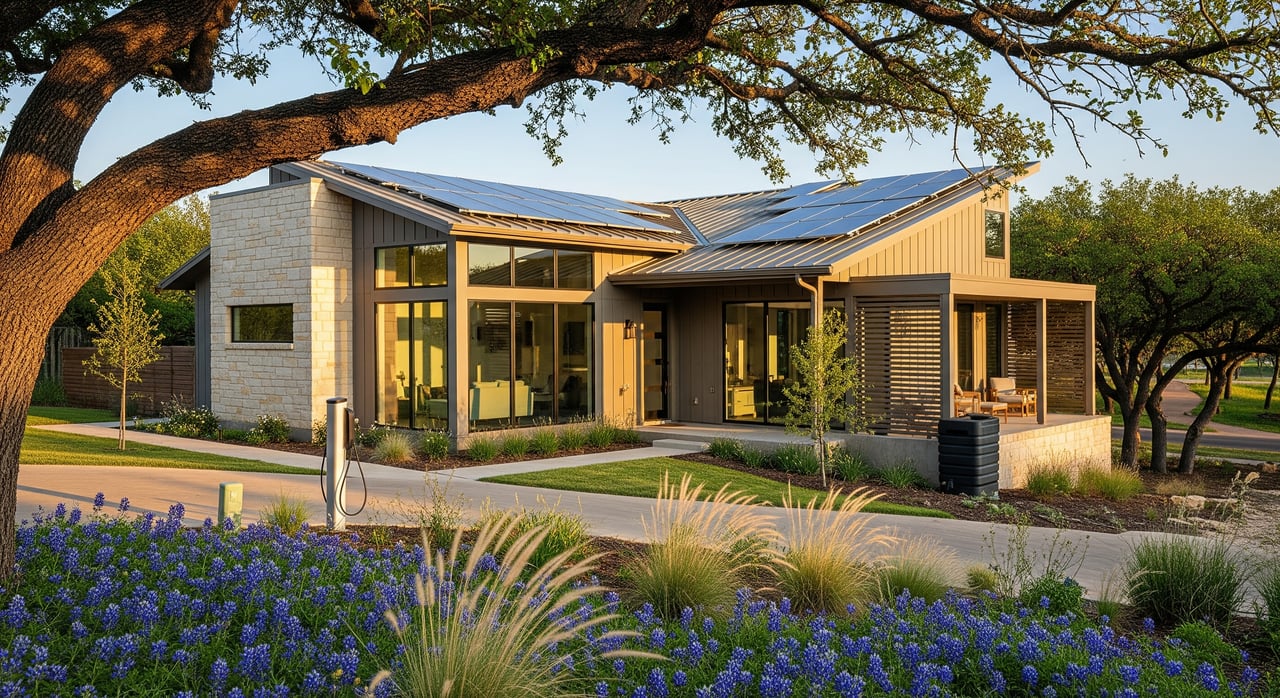
Owned rooftop solar can reduce electric bills and is easy for buyers to see. Studies have found that owned systems can support a sales premium that varies by market and system size. Leased systems can be more complex since buyers and lenders must review transfer terms.
Seller tips:
- If panels are owned, provide interconnection paperwork, annual production data, warranties, and installer contacts.
- If panels are leased, have lease terms and transfer steps ready upfront.
- If you do not have solar, consider making the home solar-ready with a roof assessment, clear roof space, and conduit.
What to document: production reports, incentive and tax-credit paperwork, warranties, and any monitoring screenshots.
Smart controls and lighting
Smart thermostats, LED lighting, and simple automation are small upgrades with big perceived value. They signal modern systems and easy energy savings.
Seller tips:
- Install a smart thermostat and show buyers how it is set up. Reset to a neutral setting for showings.
- Replace bulbs with LEDs and label them as LED on your features sheet.
- Use smart irrigation controllers and share watering schedules.
What to document: device manuals and app screenshots that show schedules or savings.
Water efficiency and landscaping
Drought-tolerant landscaping and efficient fixtures fit the Austin lifestyle and help reduce bills. Native plantings, rain barrels, and efficient irrigation systems are buyer-friendly features.
Seller tips:
- Swap in high-efficiency toilets and low-flow showerheads where practical.
- Share any landscape plans that feature native or drought-tolerant plants and controller specs.
What to document: receipts, warranties, and water-use snapshots if available.
Indoor air quality and ventilation
Healthy air is part of a comfortable home. MERV-rated filters, proper source ventilation, and, where installed, HRVs or ERVs are easy to explain and appreciate.
Seller tips:
- Replace HVAC filters before listing and note the filter rating.
- If you have mechanical ventilation or used low-VOC finishes during a renovation, include those details on your features sheet.
What to document: maintenance records, product lists, and any ventilation specs.
Incentives, permits, and timing in Austin
Local utility programs
Austin Energy offers residential rebates and programs for upgrades like insulation, HVAC, and solar, along with interconnection support for PV systems. Austin Water provides water-efficiency rebates and irrigation conservation resources. Check current program details and requirements, since offers and rules can change.
Federal incentives
Federal incentives currently include a 30 percent Investment Tax Credit for qualifying residential solar within specific program years. There are also federal credits and point-of-sale incentives for some heat pumps, heat-pump water heaters, and electrification work. Confirm eligibility and consult a tax professional for your situation.
Permits and inspections
The City of Austin requires permits for many major projects, including HVAC replacements, solar installations, electrical work, and significant alterations. Solar typically needs structural and electrical permits plus utility interconnection. Build in time for inspections and approvals.
Plan your timeline
- Short term, 1 to 4 weeks: tune-ups, smart thermostat, LED swap, weatherstripping, attic hatch sealing, documentation collection.
- Medium term, 4 to 12 weeks: attic insulation top-up, duct sealing, targeted window fixes, water-efficiency upgrades.
- Longer term, 8 to 16+ weeks: HVAC replacement, roof assessment and solar-ready work, full window replacement, solar PV design and interconnection.
Pre-list checklist sellers can use
Quick wins
- Schedule an HVAC tune-up and replace filters.
- Install a smart thermostat and switch all bulbs to LED.
- Seal door and window leaks and insulate the attic hatch.
- Tidy landscaping and confirm irrigation schedules.
- Replace failing toilets or add aerators and low-flow showerheads.
The documentation bundle
- Twelve months of utility bills for electricity and water.
- Any energy audit or blower door report.
- Receipts, warranties, and permits for HVAC, windows, and insulation.
- HERS score or similar rating if available.
- Solar production data and installer info for owned systems.
- Maintenance log for mechanical systems.
Listing copy that resonates
Use clear, measurable claims you can support with documents. Examples:
- “Average electric bill of $X per month over the last 12 months.”
- “Owned solar with annual production of X kWh in 2023.”
- “High-efficiency heat pump installed in 2022 with transferable warranty.”
Vet contractors with these questions
- Are you licensed and insured to work in the City of Austin and Travis County, and can you share local references?
- For HVAC or heat pumps: what SEER and HSPF ratings do you propose, and will you perform duct testing and sealing? Will you provide load calculations and pull permits?
- For solar: do you use NABCEP-certified installers, and who manages interconnection and permits? Will you provide production estimates and monitoring setup?
- What equipment, labor, and production warranties are included, and which ones transfer to a buyer?
- What is the estimated timeline, including inspections, and what documentation will I receive at the end?
Pitfalls to avoid
- Signing a solar lease without confirming transfer steps and buyer acceptance.
- Overspending on low-return items for your price bracket, like full window replacement when targeted fixes would do.
- Skipping permits or losing paperwork. Buyers and lenders expect a clean file with receipts and final sign-offs.
The bottom line for Mueller sellers
Mueller buyers look for comfort, verified savings, and modern systems. Start with low-cost, high-impact items like HVAC tune-ups, insulation and sealing, LEDs, and a smart thermostat. If time and budget allow, explore heat pumps, targeted window work, and solar or solar-ready steps. Above all, package your upgrades with clear documentation so buyers can trust your claims.
If you want help prioritizing upgrades and connecting with vetted local pros, our team can build a simple, actionable pre-list plan for you. Ready to get started? Request a Specialist with Team West Real Estate.
FAQs
Mueller home sales and energy upgrades: Do they boost value?
- Yes, when documented. Owned solar, modern HVAC, and insulation can support value and appeal, especially when you present utility bills, production data, and warranties.
Which energy-efficient upgrades have the best ROI in Austin’s climate?
- Air sealing and attic insulation, HVAC tune-ups, duct sealing, LEDs, and smart thermostats typically deliver strong comfort and savings for modest cost.
What documents should I give buyers to prove efficiency?
- Twelve months of utility bills, audit or blower door results, receipts and permits, equipment specs and warranties, and solar production data if applicable.
How do solar leases impact a Mueller home sale?
- Leases can add steps and may reduce buyer interest. Have the lease, transfer terms, and monthly cost details ready and review them early in the process.
How long should I allow for permits and inspections in Austin?
- Expect weeks to months for major projects like HVAC replacements or solar. Build permitting and inspection time into your pre-list schedule.