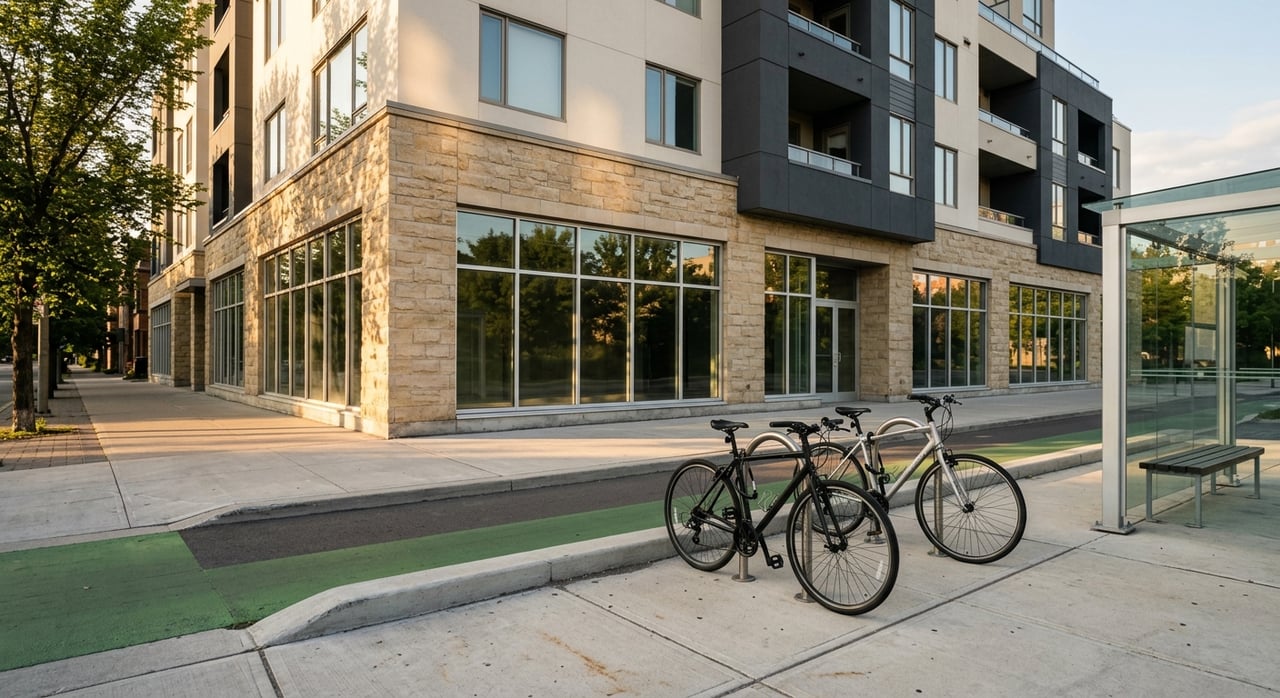
Thinking about living in Downtown Austin without a car? It is a fair question, especially if you want a simpler routine, shorter daily trips, and a home that keeps you close to work, dining, and entertainment. The good news is that Downtown Austin is one of the few places in Central Texas where car-free living can feel realistic for the right lifestyle. Let’s take a practical look at how it works.
Why Downtown Austin Supports Car-Free Living
Downtown Austin was planned to support more than just driving. The City of Austin’s Downtown Austin Plan calls for an interconnected network of streets, parks, and public spaces, plus a multimodal transportation system that works as a real alternative to the automobile.
That approach also shows up in the city’s Great Streets Program. In downtown, the mode hierarchy puts pedestrians first, then transit, then bicycles, with automobiles last. If you are looking for a neighborhood where walking is part of daily life, that planning matters.
Downtown also has the density to make a no-car routine more practical. According to the Downtown Austin Alliance, downtown includes about 130,000 employees, 15,300 residents, and 680 storefront businesses. In Q1 2026, the area also saw a daily average of 158,265 pedestrians.
Those numbers help explain why so many daily needs can stay close to home. When jobs, services, and storefronts are concentrated in one area, you are less likely to need a car for every trip.
What Daily Life Looks Like Without a Car
For many people, the biggest benefit of living downtown is proximity. Downtown Austin is the city’s largest employment center and the center of city and state government, which means a lot of work destinations are already nearby.
If your job is downtown or along a direct transit route, your commute may be short enough to handle on foot, by bus, or by rail. That can change the feel of your week in a big way, especially if you are used to spending long stretches in traffic.
Errands can also be easier than many buyers expect. With hundreds of storefront businesses downtown and mixed-use areas like the 2nd Street District, it is possible to combine several stops into one walk instead of planning separate car trips.
The 2nd Street District is a strong example of that setup. The City of Austin describes it as a dense, walkable urban environment, and by 2017 it had more than 600 residences, 3,000 jobs, and 175,000 square feet of retail.
Walking Is a Real Transportation Option
In Downtown Austin, walking is not just recreational. It is built into how the area functions.
The city’s Great Streets Program encourages pedestrian-oriented features like benches, bike racks, shade trees, kiosks, and cafes. That kind of public realm makes it easier to choose walking for short trips, whether you are headed to work, meeting friends, or checking off a few errands.
Downtown’s street activity also supports a more spontaneous lifestyle. Instead of planning every trip around parking and traffic, you can often leave your building and decide where to go once you are already out.
That flexibility is a big part of the appeal for condo buyers and renters considering a downtown move. It can make urban living feel more convenient and less car-dependent from day one.
Transit Options for Downtown Residents
Transit is one of the main reasons car-free living can work in Downtown Austin. CapMetro’s High-Frequency Network includes 14 routes that run every 15 to 30 minutes from 6 a.m. to 8 p.m., seven days a week.
For downtown residents, a few routes stand out:
- Route 2 runs through downtown past the Capitol and Republic Square
- Route 4 crosses the heart of downtown
- Rapid 801 connects downtown with UT and the North Lamar and South Congress corridor
- Rapid 803 connects downtown with the Burnet and South Lamar corridor
If your routine lines up with those corridors, getting around without a car becomes much more manageable. Reliable frequency matters because it reduces the need to plan your whole day around transit timing.
Rail Access Extends Your Reach
Downtown Station at 4th and Neches is another major asset for car-free residents. CapMetro says it is the highest-ridership station on the Red Line, and it connects with Route 2, Route 4, electric scooters, and Austin’s bicycle trails.
The Red Line runs Monday through Saturday from downtown to Leander and serves major activity centers, including the Austin Convention Center. If you need to travel beyond the downtown core, that added reach can make a downtown condo more functional without requiring a car.
Rail is especially helpful if you want flexibility beyond your immediate neighborhood. It gives you another option for reaching other parts of the metro without relying only on bus service or ride-hailing.
Airport and Late-Night Travel Matter Too
A car-free lifestyle only works if it covers more than the 9-to-5 routine. Downtown Austin gets points here too.
CapMetro says Route 20 runs every 15 minutes, seven days a week, from Austin-Bergstrom International Airport into downtown. The trip to downtown takes about 35 minutes, which gives downtown residents a straightforward airport option without needing to drive or arrange parking.
For late nights, CapMetro operates Night Owl buses from midnight to 3 a.m. Monday through Saturday nights. Route 483 also runs between downtown and the airport after midnight until 4 a.m., and rail service can run until after midnight on Friday and Saturday nights.
Affordability helps as well. Local bus fare is $1.25, and a $2.50 day pass covers transfers for 24 hours.
Biking in Downtown Austin
Biking is still part of the downtown transportation picture, but there is one important update. CapMetro Bikeshare is currently suspended until further notice after a May 23, 2026 fire at its maintenance facility damaged batteries and charging infrastructure.
That means you should not build your routine around docked bikeshare right now. If biking is important to you, a personally owned bike is the more practical choice at the moment.
The city still supports bike travel downtown through the 2023 Bicycle Plan, Urban Trails Plan, Sidewalks, Shared Streets, and Crossings Plan, plus the Austin Core Transportation Plan. Austin also maintains a bike map with downtown routing resources to help riders choose lower-stress routes.
The Lifestyle Tradeoffs to Know
Car-free living in Downtown Austin can work well, but it is not the right fit for everyone. The lifestyle tends to appeal most to people who are comfortable with urban density, active street life, and a neighborhood that is still changing.
Construction is one factor to keep in mind. The Downtown Austin Alliance reports multiple projects under construction and more in planning, and the first phase of the Congress Avenue Urban Design Initiative began construction in 2026 with an expected completion in Summer 2027.
That ongoing investment can improve the area over time, but it can also affect daily routines in the short term. The Alliance notes that major infrastructure work can disrupt commute patterns and economic activity during the current construction cycle.
Transit routes can shift too. CapMetro alerts have included late-night detours near 6th and Congress because of construction, so it is smart to expect some changes rather than a completely static system.
Who Is the Best Fit for a No-Car Downtown Lifestyle?
Downtown Austin is a strong match if most of your routine stays in the core or along direct transit corridors. That includes people who work downtown, enjoy walking to restaurants and events, and want to reduce time spent driving.
It can also make sense if you value convenience over extra storage for a car-centered lifestyle. In a walkable area, you may trade some driving flexibility for easier access to the things you use most often.
The key is being honest about your habits. If you regularly need to travel to places that are not well connected by transit, or if you strongly prefer driving for most errands, downtown car-free living may feel limiting.
If your daily life is already centered around the urban core, though, Downtown Austin offers one of the clearest no-car opportunities in the region.
What Buyers and Renters Should Consider
If you are choosing a condo or rental with car-free living in mind, look beyond the unit itself. The bigger question is how easily the location connects to your real routine.
A few things to think through include:
- Walking distance to your job or common destinations
- Access to High-Frequency Network bus routes
- Proximity to Downtown Station and Red Line service
- Nearby grocery, dining, and everyday storefront options
- Comfort with current construction activity and detours
- Whether you would want to own a personal bike
This is where neighborhood-level guidance matters. Two downtown buildings may both be “close in,” but one may fit your habits much better than the other depending on your commute and day-to-day needs.
If you are buying, renting, or planning an investment in Downtown Austin, the right location can make the difference between a lifestyle that feels easy and one that feels frustrating. Team West Real Estate can help you compare options with a practical, local lens.
FAQs
Can you live car-free in Downtown Austin full-time?
- Yes, Downtown Austin can support full-time car-free living if your routine stays in the downtown core or along direct transit corridors, with walking, bus, rail, and a personal bike covering most trips.
What public transit serves Downtown Austin residents?
- Downtown Austin residents can use CapMetro’s High-Frequency Network, including Route 2, Route 4, Rapid 801, Rapid 803, and the Red Line at Downtown Station.
How do Downtown Austin residents get to the airport without a car?
- CapMetro Route 20 runs every 15 minutes, seven days a week, between Austin-Bergstrom International Airport and downtown, with a trip time of about 35 minutes.
Is biking easy in Downtown Austin right now?
- Biking is supported by city planning and routing resources, but CapMetro Bikeshare is currently suspended, so a personally owned bike is the more practical option.
What are the main tradeoffs of car-free living in Downtown Austin?
- The main tradeoffs include construction-related detours, changing commute patterns, urban density, and the fact that the lifestyle works best when your destinations are concentrated downtown or on strong transit routes.