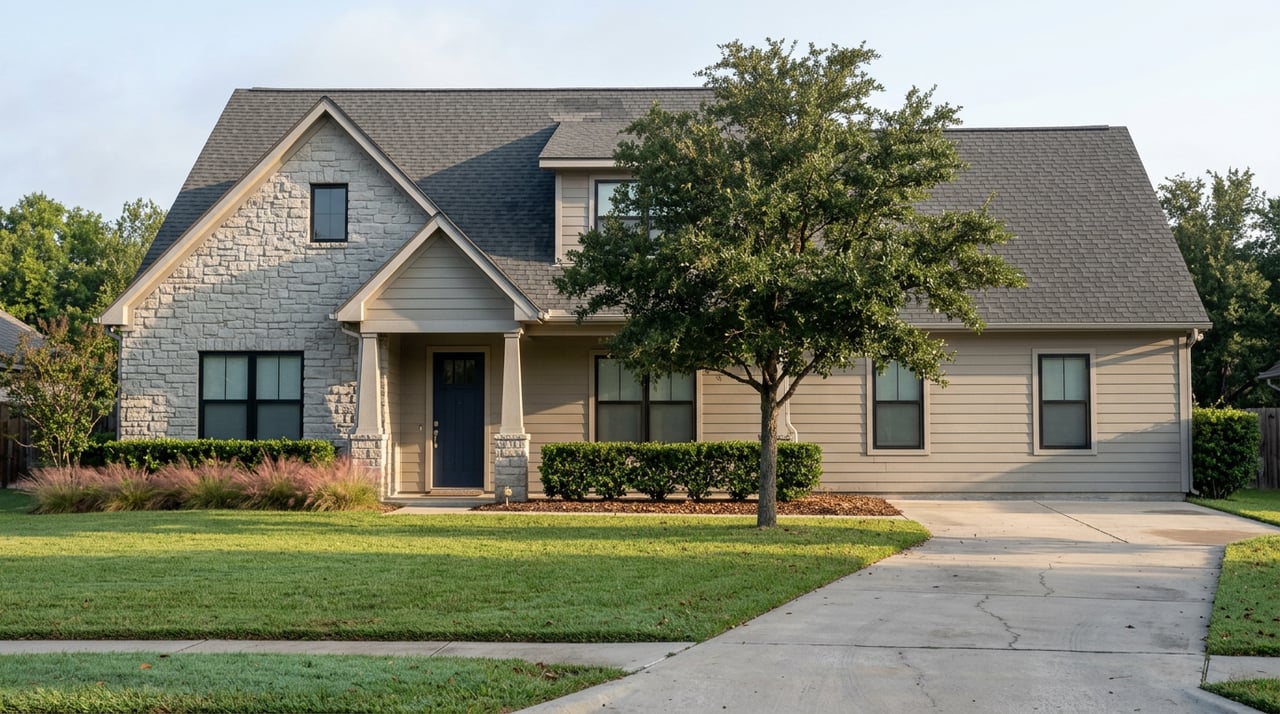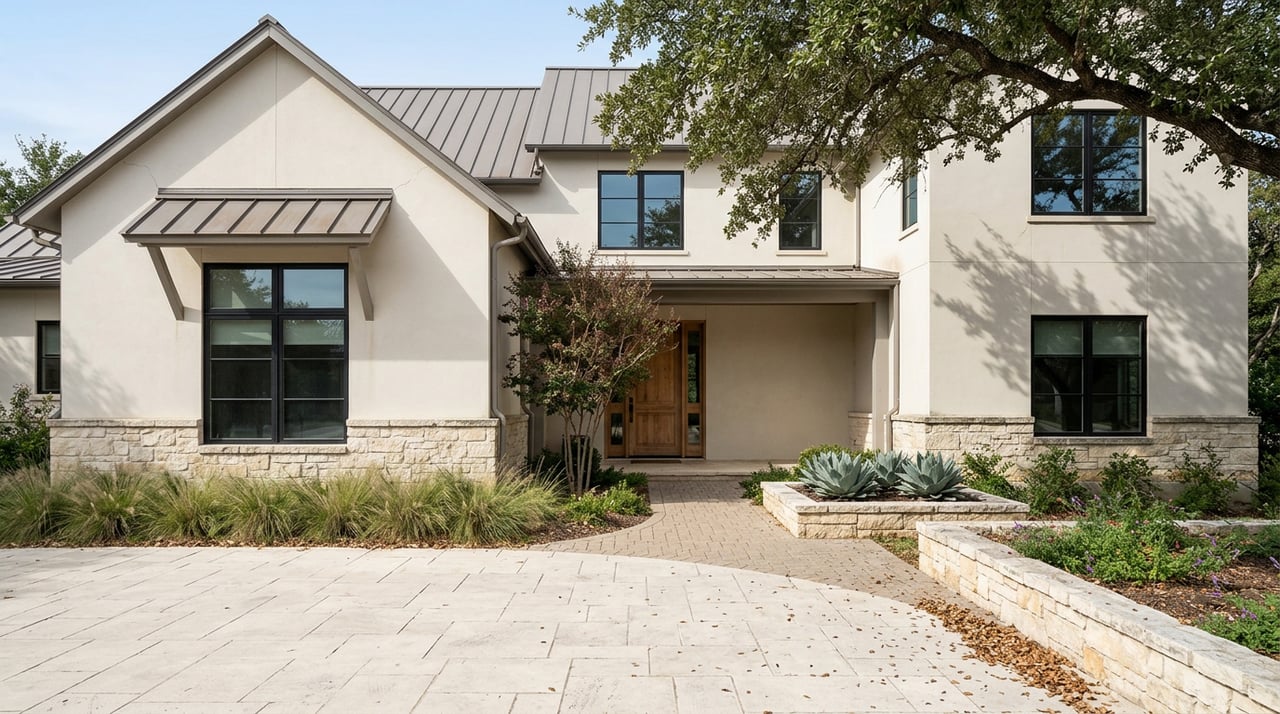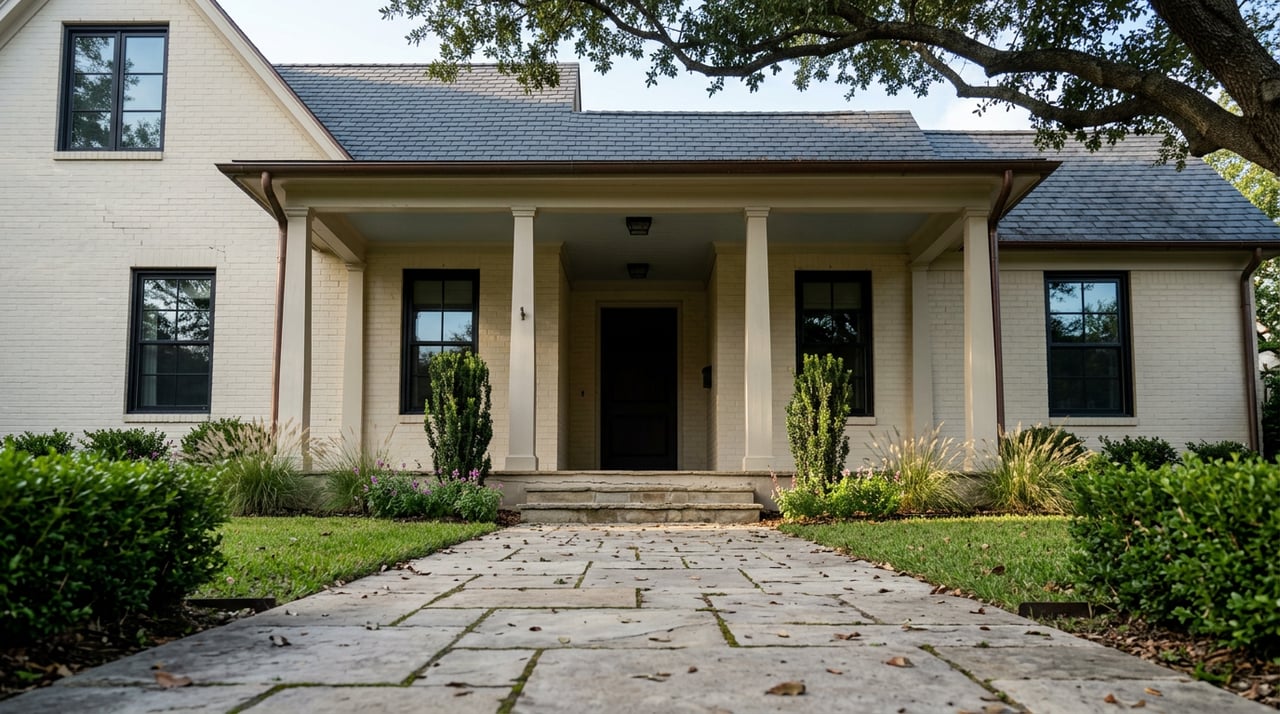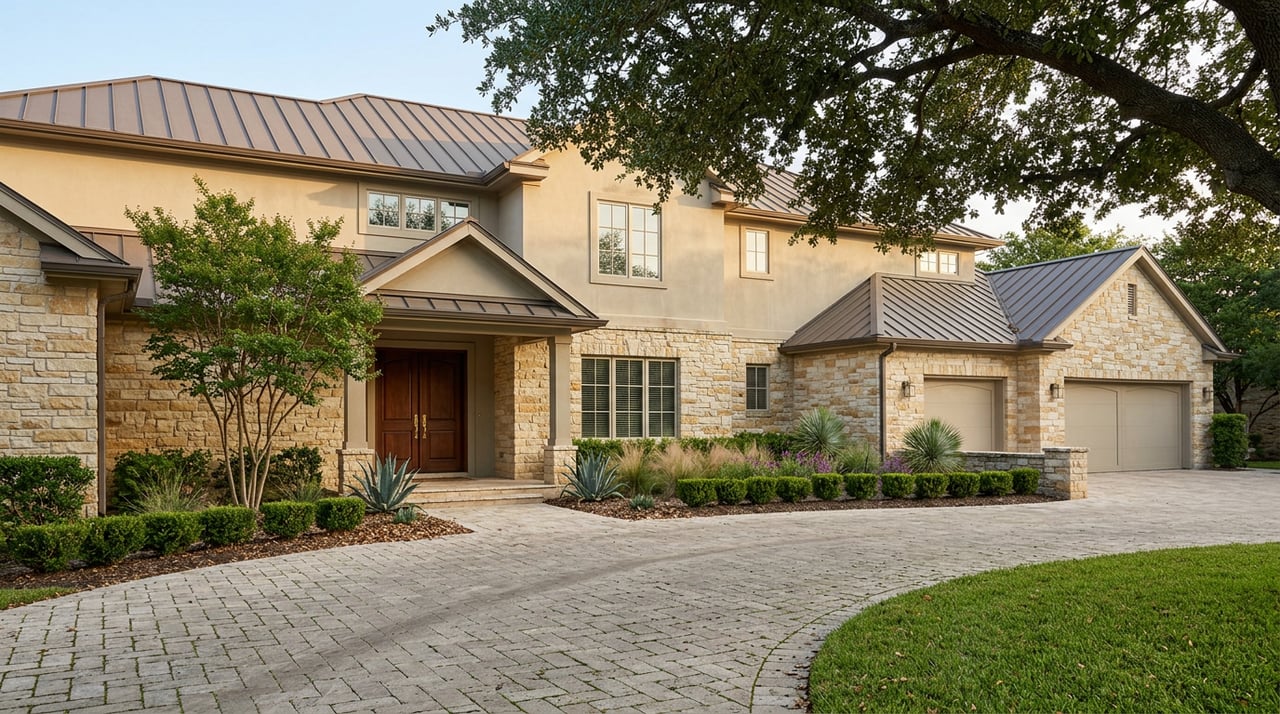
Round Rock keeps showing up on investors’ radar for a reason. You are looking at a fast-growing Austin-area city with a housing stock dominated by detached homes, plus renter demand from households that want more space than a typical apartment. If you are thinking about buying a single-family rental here, the opportunity can be real, but so can the mistakes if you underwrite too loosely. Let’s break down what matters most before you buy.
Why Round Rock Draws SFR Investors
Round Rock sits about 15 miles north of Austin and continues to grow. The city estimated 142,697 residents in June 2026, up from 119,468 in the 2020 Census. That kind of growth matters because it supports long-term housing demand and gives investors a wider renter pool.
Employment depth also strengthens the story. Round Rock’s Chamber says the city hosts more than 75,000 employees, and Dell’s global headquarters employs more than 13,000 people locally. Other major employers listed by the city include Round Rock Premium Outlets, Kalahari, Ascension Seton Williamson, Baylor Scott & White, St. David’s, Emerson, Amazon, and UPS.
For you as an investor, that does not guarantee rent growth or easy leasing. It does suggest a broad base of potential tenants who may prefer the extra bedrooms, yard space, and parking that a detached home can offer.
Round Rock Housing Stock Favors Detached Homes
If you want to invest in single-family rentals, it helps when the local housing stock already leans that way. As of January 2024, Round Rock had 52,248 dwelling units, with 61.6% classified as single-family. The city also noted that 1-unit detached structures are the most prevalent housing type at about 64% of the stock.
That means the local market is not built around just one rental format. You will still compete with duplexes, townhomes, and multifamily options, but detached homes remain the core housing product in much of the city.
In practical terms, the likely single-family rental product in Round Rock is often a detached suburban home, commonly in layouts like 3-bedroom or 4-bedroom floor plans. That is an inference from the city’s housing mix, not a formal city definition, but it fits what many investors are actually shopping for.
What Renter Demand Looks Like
Round Rock had 48,647 households, with 2.61 persons per household, according to Census QuickFacts. The city’s owner-occupied housing rate was 55.5%, which means a meaningful share of households rent. In a suburban setting, that can support demand for homes that offer more living space than apartments.
The county context also matters. Williamson County’s owner-occupied rate was 67.1%, and the median owner-occupied home value was $414,600. Together, those figures point to a market where some households may choose to rent a detached home instead of buying right away.
That said, you should avoid assuming every home will lease quickly just because demand exists. Round Rock added 8,621 housing units over the prior decade, including both single-family and higher-density housing, so rent comps can vary more than they would in a slower-moving suburb.
Rent and Price Benchmarks to Watch
One of the biggest mistakes investors make is treating one published rent figure like a fixed truth. In Round Rock, rent estimates vary by method and timing. Reported figures in the research ranged from a median gross rent of $1,763 to an average asking rent of $2,125, with another published estimate at $1,606.
That spread tells you something important. You cannot underwrite a property based on a citywide average alone, because a specific home’s rent depends on location, condition, size, competition, and lease timing.
On the price side, published sale and value benchmarks also show a range. Round Rock’s median sale price was reported at $374,806 in April 2026, while another source showed an average home value of $405,513. The practical takeaway is that many entry points sit in the mid-$300,000s to low-$400,000s, depending on the property.
What Gross Yield Can Tell You
As a rough first pass, the math can look workable. Using a reported average asking rent of $2,125 and a median sale price of $374,806 produces a gross annual rent yield of about 6.8% before expenses. Using the lower reported rent figure and the higher home-value figure drops that rough gross yield to about 5.2%.
That range is useful, but only as a screening tool. Gross yield does not account for property taxes, insurance, vacancy, maintenance, HOA dues, turns, repairs, or capital expenditures.
In other words, a deal that looks fine on paper can get thin very quickly. The closer your projected return sits to the low end of that range, the more careful you need to be about every expense line.
Underwrite Taxes Carefully
In Texas, property taxes deserve serious attention. Williamson Central Appraisal District says it appraises market value for ad valorem taxation, and local taxing units use that value to set rates. It also notes that owners protest appraised value rather than the tax bill itself.
For you, that means the tax line should be verified parcel by parcel. It is not enough to plug in a citywide estimate and move on.
This is especially important if you are comparing homes with different ages, lot sizes, improvement values, or ownership histories. A tax estimate that is off by even a modest amount can materially change the true cash flow on a single-family rental.
Budget Conservatively for Holding Costs
A smart Round Rock rental strategy is usually a conservative one. Even if the local rent-to-price math works at a glance, the margin can tighten after you factor in normal ownership costs.
Your underwriting should include at least these categories:
- Property taxes verified for the specific parcel
- Insurance
- Vacancy reserve
- Repairs and routine maintenance
- Capital expenditures
- HOA dues, if applicable
- Leasing or management costs
- Legal or administrative reserve for lease enforcement issues
If you are buying in a market with mid-single-digit gross yields before expenses, disciplined reserves are not optional. They are part of protecting the investment.
Know the Lease and Notice Rules
Texas lease law also affects risk. The Texas State Law Library explains that written lease terms control notice in many non-month-to-month situations. It also notes that early lease termination can leave rent owed until the lease ends or a new tenant is found, and that landlords must mitigate damages.
Texas Property Code Chapter 24 generally requires at least three days’ written notice to vacate before filing an eviction suit, unless the parties agree otherwise. For you, that means lease wording and notice procedures matter more than many first-time investors expect.
This is one reason attorney-reviewed lease documents and realistic legal-reserve assumptions make sense. A good lease will not eliminate problems, but it can reduce confusion and improve consistency if an issue comes up.
When Property Management Makes Sense
Not every owner needs a property manager, but many do. If you live out of area, want a hands-off investment, or plan to keep a small portfolio without building internal systems, management can be a practical value add.
In a market like Round Rock, professional management may help with:
- Tenant screening
- Leasing and renewals
- Rent collection workflows
- Maintenance coordination
- Notice tracking and compliance steps
- Turn preparation between tenants
When margins are not huge, management fees can feel painful at first glance. In reality, good management can be what keeps a workable hold from turning into a time-consuming, thin-return asset.
Watch for New Construction and Rehab Costs
If your strategy includes new construction or a major rehab, timing and city costs matter. Round Rock says impact fees can apply to new single-family, townhome, or duplex projects. The city also states that the approved final inspection serves as permission to occupy the home.
That means your budget should not just cover hard construction costs. You also need to account for fees, delays, and the timeline required to get to legal occupancy.
For investors comparing resale versus new construction, this can be a meaningful difference. A newer home may reduce near-term repair risk, but the entry cost and timeline can affect returns.
Do Title and Ownership Checks
Round Rock Police warned in 2025 about rising rental scams. Their advice included visiting the property in person, verifying ownership through county records, and avoiding sending money until legitimacy is confirmed.
Even though that warning targets renters, the broader lesson applies to investors too. Ownership verification, title diligence, and in-person confirmation remain important parts of a careful acquisition process.
This matters even more when a deal seems unusually easy or attractively priced. Basic diligence is often what prevents expensive mistakes.
A Practical Round Rock SFR Strategy
If you are evaluating single-family rentals in Round Rock, the strongest framing is simple: this is a suburban-demand market. The city is growing, detached housing is the dominant product, and there is a real pool of renters who may value space, flexibility, and access to major employment centers.
The opportunity is not in buying any house and hoping for appreciation. It is in buying the right property, using realistic rent comps, and underwriting taxes, reserves, and management with discipline.
For many investors, the best candidates will be well-located detached homes where the numbers still make sense after conservative assumptions. That is where local knowledge can make a major difference.
If you want help evaluating Round Rock rentals, comparing resale versus new construction, or planning for leasing and long-term management, Team West Real Estate can help you look at the full picture from acquisition through hold.
FAQs
What makes Round Rock attractive for single-family rental investing?
- Round Rock combines strong population growth, a large local employment base, and a housing stock dominated by detached homes, which supports demand for suburban-style rental housing.
What rent range should you use for a Round Rock rental property?
- Use a property-specific rent range rather than one citywide number, because published Round Rock rent figures vary widely and actual rent depends on location, size, condition, and competition.
What home price range is common for Round Rock investment screening?
- Based on the research, many Round Rock purchase opportunities screen in the mid-$300,000s to low-$400,000s, depending on the home and submarket.
Why are property taxes so important for Round Rock investors?
- Property taxes can materially affect cash flow, and Williamson Central Appraisal District values should be verified parcel by parcel instead of estimated from broad averages.
When should you hire property management for a Round Rock rental?
- Property management is often worth considering if you live out of area, prefer a hands-off hold, or want help with screening, leasing, maintenance coordination, and notice workflows.
What should you check before buying a Round Rock rental property?
- You should confirm rent comps, verify taxes and ownership records, review title carefully, budget reserves, and understand any lease, rehab, or occupancy-related timing issues tied to the property.